

If you have spent any time at all in a corporate environment, you have almost certainly heard the name PRINCE2 being thrown around in meetings or seen it listed as a requirement on job descriptions. For many, it sounds like just another piece of management jargon, but it is actually the world’s most widely used project management methodology. Originally developed by the UK government, it has evolved over decades into a flexible, scalable system used by private and public sector organisations across the globe.
The acronym stands for PRojects IN Controlled Environments. The name itself hints at the core philosophy of the method: project management should not be a chaotic scramble to the finish line. Instead, it should be a structured, organised, and controlled process that ensures every penny spent and every hour worked is actually contributing to a worthwhile business goal. In a world where projects frequently run over budget or fail to deliver what was promised, having a framework like this is often the difference between success and a very expensive mistake.
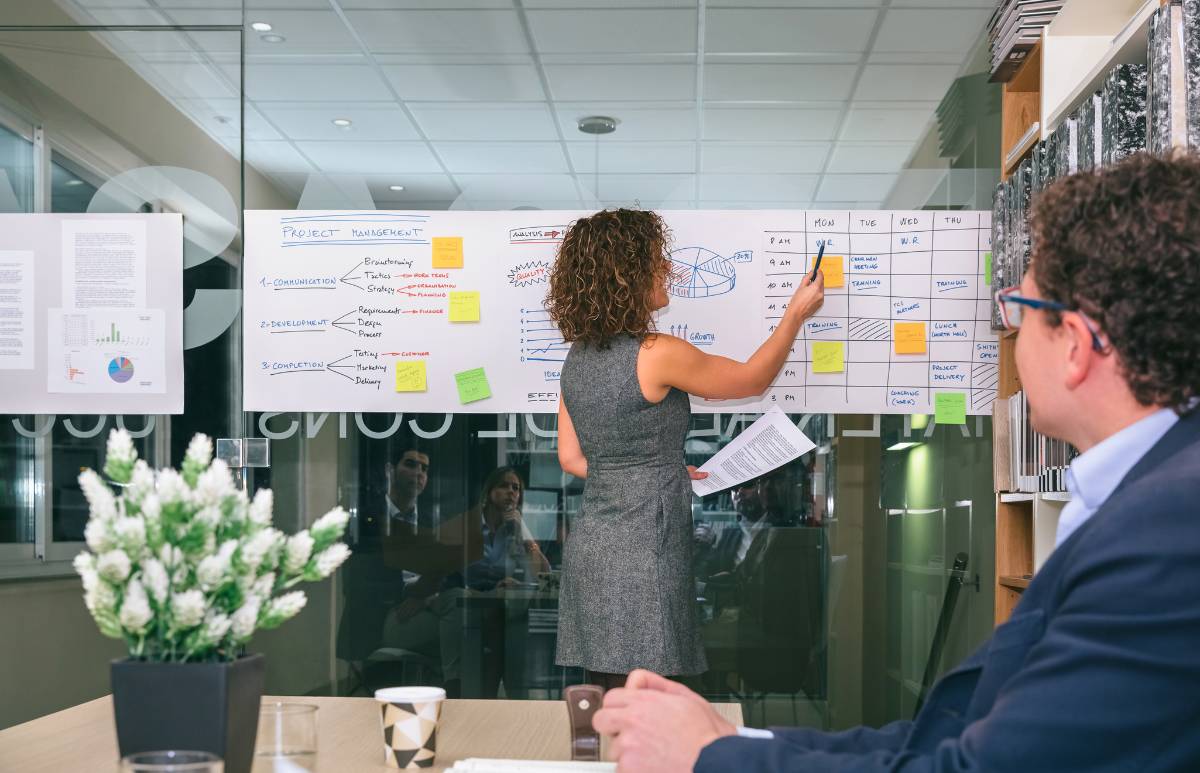
The seven principles that guide every project
What makes this methodology unique is that it is built on seven fundamental principles. These are not just suggestions; they are the bedrock of the entire system. If a project does not follow these seven rules, it is not being managed using the official method. These principles are designed to be universal, meaning they apply regardless of the size, type, or location of the project you are running.
- Continued Business Justification: Every project must have a valid reason to start, and more importantly, a valid reason to continue. If the project is no longer viable or the benefits have disappeared, it should be stopped.
- Learn from Experience: Teams are encouraged to look at previous projects to see what worked and what didn’t. Lessons are recorded throughout the project to ensure the same mistakes aren’t repeated.
- Defined Roles and Responsibilities: Everyone involved needs to know exactly what they are doing and who they are reporting to. This avoids the common issue of “too many cooks” or, conversely, tasks falling through the cracks.
- Manage by Stages: Instead of trying to tackle a massive project all at once, it is broken down into manageable chunks called stages. This allows for regular check-ins and better control over the budget and timeline.
- Manage by Exception: Senior managers don’t need to be involved in every tiny detail. They set boundaries for time, cost, and quality. As long as the project stays within those boundaries, the project manager is free to get on with the job.
- Focus on Products: The methodology is obsessed with the output. Before work starts, the team defines exactly what the final “product” will look like and what quality standards it must meet.
- Tailor to Suit the Project: This is perhaps the most important principle. The method is not a rigid “one size fits all” straightjacket. It must be adapted to fit the complexity, risk, and scale of the specific project at hand.
The themes that keep everything on track
While the principles tell you *why* you should do things, the themes provide the *how*. These are the seven areas of project management that must be addressed continuously throughout the project’s lifecycle. Think of them as the different plates a project manager has to keep spinning at the same time to ensure the project doesn’t wobble.
The Business Case theme, for example, is the heart of the project. It documents the justification for the work and is constantly updated. The Organisation theme ensures that the right people are in the right seats, while the Quality theme ensures that the final result meets the customer’s expectations. Other themes include Risk, which involves identifying and managing potential problems before they happen, and Change, which provides a structured way to handle the inevitable requests for modifications that occur during any project.
Plans are another critical theme. In this framework, planning is not a one-time event at the start. It is an ongoing activity that happens at different levels of detail depending on who needs the information. Finally, the Progress theme is about monitoring where you are compared to where you planned to be, allowing the project board to make informed decisions about whether to keep going.
How the process actually works from start to finish
The methodology also outlines a specific path for a project to follow, from the very first spark of an idea to the final handover. This is broken down into seven processes, each with its own set of activities and responsibilities. This structure ensures that nothing is forgotten and that there is a clear transition between different phases of work.
- Starting up a Project: This is a pre-project phase where the organisation decides if the idea is even worth investigating properly.
- Directing a Project: This process is for the senior managers (the Project Board). They provide the high-level authorisation and guidance without getting bogged down in daily tasks.
- Initiating a Project: This is where the heavy lifting of planning happens. The team defines exactly how the project will be managed, what it will cost, and how long it will take.
- Controlling a Stage: This is the daily work of the project manager, assigning tasks to the team, dealing with issues, and reporting back to the board.
- Managing Product Delivery: This is where the actual work gets done. It manages the link between the project manager and the specialists who are building the products.
- Managing a Stage Boundary: At the end of each stage, the board reviews the progress and decides whether to fund the next stage.
- Closing a Project: The final stage where the project is wrapped up, products are handed over, and the team is disbanded.

Why getting certified is a smart move
For individuals looking to advance their careers, gaining a formal qualification is often a game-changer. It provides a common language that is recognised by employers in almost every industry, from IT and construction to marketing and healthcare. If you are looking to formalise your experience or step into a more senior role, enrolling in PRINCE2 training is often the most effective first step you can take.
There are generally two levels of certification. The Foundation level is designed to give you a solid understanding of the terminology and the framework. It is perfect for people who are working as part of a project team or those who want to understand how their work fits into the bigger picture. The Practitioner level goes much deeper, testing your ability to actually apply the methodology to a real-world scenario. It is the gold standard for anyone who wants to lead projects and demonstrate that they have the skills to manage complex environments effectively.
The beauty of this system is that it doesn’t just teach you a theory; it gives you a practical toolkit. You learn how to manage risks, how to communicate with stakeholders, and how to ensure that your project delivers real value. In an increasingly competitive job market, having these skills on your CV shows that you are committed to professional excellence and that you have the discipline to follow a proven, world-class methodology. Many professionals find that once they have the certification, they are better equipped to handle the pressures of the job and more confident in their ability to deliver results on time and under budget.

A sharp-eyed journalist who covers emerging trends in culture, tech, and lifestyle. Nina is known for her bold commentary and deep dives into the stories behind the headlines.