
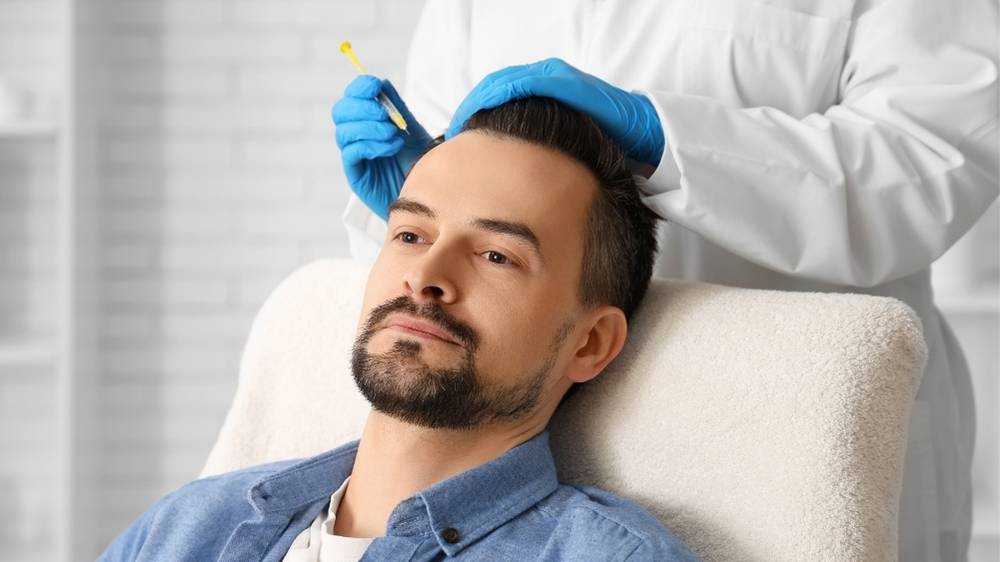
For many men and women across Scotland, hair loss is more than just a physical change; it is something that can deeply affect self-confidence and how they present themselves to the world. Whether it is a receding hairline that has been creeping back for years or thinning at the crown that has suddenly become noticeable in photos, the desire to do something about it is perfectly natural. In the past, people might have thought they needed to travel to London or even abroad to find high-quality care, but that is no longer the case. Finding a world-class hair transplant clinic Glasgow patients can trust has become the preferred choice for those who value expertise, convenience, and long-term aftercare.
Choosing to stay local for a medical procedure offers several practical advantages. Hair restoration is not a one-off event that ends the moment you leave the theatre; it is a journey that involves consultations, the procedure itself, and several months of recovery and follow-up appointments. By choosing a clinic in the heart of Scotland, you eliminate the stress of long-distance travel and ensure that your surgeon is easily accessible should you have any questions during your recovery. Furthermore, Glasgow has developed a reputation for medical excellence, with clinics that utilise the latest technology and surgical techniques to achieve results that look entirely natural.

Understanding the different techniques used in Glasgow clinics
When you start researching your options, you will likely come across a lot of technical jargon. However, most modern hair restoration boils down to two primary methods. Understanding these is essential before you commit to a surgery, as the right choice depends on your hair type, the extent of your hair loss, and your lifestyle preferences. A reputable hair transplant clinic Glasgow will always take the time to explain these options in detail during your initial consultation.
Follicular Unit Extraction (FUE)
FUE is currently the most popular method for hair restoration. This technique involves extracting individual hair follicles from a ‘donor area’—usually the back or sides of the head where hair is more resistant to balding—and transplanting them into the thinning areas. Because each follicle is removed individually using a specialised micro-punch tool, there is no linear scarring. This makes it an ideal choice for people who prefer to keep their hair short. The recovery time is typically faster than other methods, and the results are incredibly discreet.
Follicular Unit Transplantation (FUT)
FUT, often referred to as ‘strip surgery,’ involves removing a small strip of skin from the donor area. The follicles are then microscopically dissected and prepared for transplantation. While this method does leave a linear scar, it is often hidden by longer hair. FUT can sometimes be more efficient for patients requiring a very large number of grafts in a single session. However, the choice between FUE and FUT should always be made in collaboration with a qualified surgeon who can assess your scalp elasticity and donor hair density.
What to look for when you visit a hair transplant clinic Glasgow
The success of a hair transplant depends almost entirely on the skill and artistic eye of the surgeon. It is a delicate balance of medical science and aesthetic design. When you are looking for a hair transplant clinic Glasgow, you should prioritise transparency and surgeon involvement. You want to ensure that the person designing your hairline and performing the critical steps of the surgery is a highly experienced doctor, not just a technician.
Here are a few key things to look for during your search:
- Surgeon Credentials: Check if the lead surgeon is a member of recognised professional bodies, such as the International Society of Hair Restoration Surgery (ISHRS).
- Before and After Gallery: A confident clinic will have a comprehensive portfolio of their work. Look for patients with similar hair colours and loss patterns to your own to see what is realistically achievable.
- Patient Reviews: Look for honest testimonials that talk about the entire experience, from the first phone call to the final results a year later.
- Personalised Consultations: Avoid clinics that feel like a ‘sales floor.’ You should meet with the actual surgeon who will perform your procedure, not just a consultant or salesperson.
- CQC or HIS Registration: Ensure the clinic is properly regulated by Healthcare Improvement Scotland (HIS) to guarantee they meet strict safety and cleanliness standards.
The importance of a bespoke hairline design
One of the biggest fears people have when considering a hair transplant is that the result will look ‘pluggy’ or artificial. This is where the artistry of the surgeon comes into play. A great hairline is not just a straight line across the forehead; it must account for your facial structure, your age, and the likely future progression of any remaining hair loss. A skilled surgeon at a hair transplant clinic Glasgow will design a hairline that looks age-appropriate now and will still look natural twenty years down the line.
This involves carefully selecting the right types of hairs for the very front of the hairline. Usually, single-hair follicles are used at the edge to create a soft, feathered look, with thicker, multi-hair grafts placed further back to provide density. The angle and direction at which each graft is implanted are also crucial; they must mimic the natural growth pattern of your original hair to ensure that when the hair grows out, it can be styled naturally without looking out of place.

What the recovery process looks like in the first few weeks
Many patients are surprised by how straightforward the recovery process is, provided they follow the aftercare instructions to the letter. Most people take about a week off work to allow the initial redness and any minor swelling to subside. During the first few days, you will need to be very careful with the newly implanted grafts to ensure they ‘take’ successfully in their new location.
A typical recovery timeline looks something like this:
- Days 1-4: You will likely experience some mild tenderness and scabbing. The clinic will provide you with a specialised cleaning routine to keep the area hydrated and clean.
- Days 7-10: The grafts are usually secure by this point, and any scabs will begin to fall away naturally. Most patients can return to their normal hair washing routine.
- Weeks 2-4: You might experience ‘shock loss,’ where the newly transplanted hairs fall out. Do not panic—this is a perfectly normal part of the cycle. The follicles remain healthy beneath the skin.
- Months 3-6: New, fine hairs will begin to sprout. Over the coming months, these will thicken and darken.
- Month 12: This is generally when you will see the final, full result of your procedure.
Setting realistic expectations for your new hair
While modern hair transplants can produce life-changing results, it is vital to go into the process with realistic expectations. A transplant does not create new hair; it simply redistributes the hair you already have. Therefore, the density of your final result is limited by the quality and quantity of your donor hair. A responsible hair transplant clinic Glasgow will be honest with you about what can be achieved. They will never promise a ‘full head of hair’ if your donor area is thin, but they will work to maximise the impact of the grafts available to give you the best possible aesthetic improvement.
In addition to the surgery itself, many clinics will recommend a long-term hair maintenance plan. This might include medications like Finasteride or Minoxidil to help preserve your existing, non-transplanted hair. By combining a high-quality surgical procedure with a solid maintenance routine, you can ensure that your results remain impressive for many years to come. The goal is a permanent solution that restores not just your hair, but your confidence in your appearance every time you look in the mirror.
The journey toward hair restoration is a personal one, and taking that first step by booking a consultation is often the hardest part. By choosing a local specialist in Glasgow, you are opting for a path that prioritises individual care, professional excellence, and a result that reflects your true self. As the hair begins to grow and the hairline takes shape, most patients find that the only regret they have is not visiting a clinic sooner.

A sharp-eyed journalist who covers emerging trends in culture, tech, and lifestyle. Nina is known for her bold commentary and deep dives into the stories behind the headlines.